
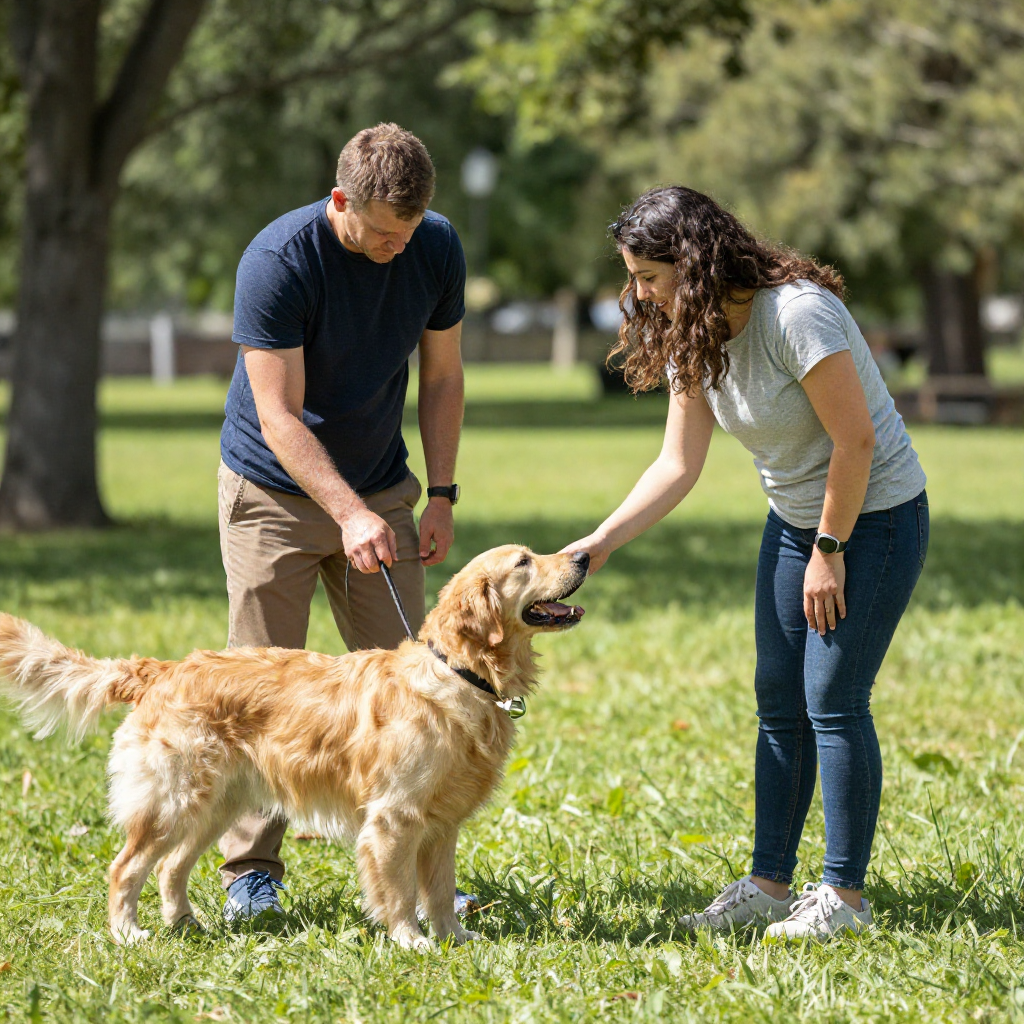
Dogs are naturally social animals, but learning how to interact appropriately with people, other dogs, and new environments requires guidance. Dog social skills training helps dogs develop confidence, communication skills, and appropriate responses during everyday interactions. Whether a puppy is learning how to greet others or an adult dog needs help managing excitement or anxiety, structured training provides the foundation for healthier relationships.
Many behavior challenges are linked to limited social experiences, poor communication, or a lack of guidance during important developmental stages. Through consistent practice, positive reinforcement, and patient instruction, dogs can learn how to navigate different situations calmly and confidently.
Professional programs such as those offered by Rob’s Dog Training focus on helping dogs build practical skills that improve their interactions while strengthening the bond between pets and their owners.
Why Dog Social Skills Training Matters
Social skills are not simply about allowing dogs to play together. Effective socialization involves teaching dogs how to respond appropriately to various environments, sounds, people, animals, and situations.
A socially skilled dog understands boundaries and can communicate without relying on unwanted behaviors such as excessive barking, jumping, lunging, or avoidance. Training helps dogs develop emotional control while giving owners the tools needed to support positive behavior.
Key benefits of social skills training include:
- Improved confidence in unfamiliar situations
- Better communication between dogs and owners
- Reduced fear-based reactions
- More appropriate interactions with other dogs
- Increased ability to handle everyday distractions
Dogs with strong social skills are often more comfortable during walks, visits to public spaces, family gatherings, and encounters with unfamiliar people or animals.
Understanding Canine Communication and Body Language
One of the most important parts of dog social skills training is understanding how dogs communicate. Dogs rely heavily on body language to express emotions, intentions, and comfort levels.
Common signals include:
- Relaxed posture and loose movements, which often indicate comfort
- Avoiding eye contact or turning away, which may signal stress
- Raised hackles or stiff body language, which can indicate tension
- Lip licking, yawning, or pacing, which may show discomfort
Owners who recognize these signals can respond before situations become overwhelming. Instead of forcing interactions, they can provide appropriate distance, encouragement, and support.
Training also teaches dogs how to interpret social cues from other dogs. This helps prevent misunderstandings that may lead to fear, conflict, or inappropriate behavior.
How Dog Social Skills Training Builds Confidence
Confidence plays a major role in how dogs interact with the world. A confident dog is more likely to approach new experiences calmly rather than reacting with fear or frustration.
Dog social skills training uses controlled exposure and positive reinforcement to help dogs become comfortable in different situations. Rather than overwhelming a dog with unfamiliar experiences, effective training introduces challenges gradually.
Confidence-building activities may include:
- Practicing calm greetings with people
- Learning appropriate play behaviors
- Exploring new environments safely
- Responding to basic obedience cues around distractions
- Developing focus during exciting situations
Positive experiences help dogs understand that new situations do not always represent a threat. Over time, they learn to rely on their training and their owners for guidance.
The Role of Positive Reinforcement in Social Training
Modern dog training focuses on encouraging desirable behaviors rather than relying on punishment. Positive reinforcement rewards dogs when they make appropriate choices, helping them understand which behaviors are expected.
Examples of positive reinforcement include:
- Offering treats for calm greetings
- Providing praise for responding to commands
- Rewarding polite behavior around other dogs
- Reinforcing attention and self-control
This approach helps create a trusting relationship between dogs and owners. When dogs understand that good behavior leads to positive outcomes, they are more motivated to repeat those actions.
Consistency is essential. Training should be practiced regularly in different settings so dogs can apply their skills beyond a single environment.
Puppy Socialization and Early Learning
Early experiences have a significant impact on a dog’s future behavior. Puppies go through important developmental stages where safe and positive exposure can shape how they respond to the world.
Puppy socialization is not just about meeting as many dogs and people as possible. Quality matters more than quantity. Puppies should experience new situations in a way that feels safe and manageable.
Important areas of puppy social development include:
- Meeting different types of people
- Becoming comfortable with household sounds
- Learning appropriate play habits
- Practicing handling and grooming tolerance
- Experiencing new surfaces and environments
Early training can help prevent common problems such as fearfulness, excessive excitement, and difficulty adjusting to unfamiliar situations.
Improving Adult Dog Social Behavior
While early socialization is valuable, adult dogs can also learn new social skills. Many owners seek training because their dogs struggle with specific challenges, such as reacting to other dogs during walks or becoming overly excited around visitors.
Adult dog social skills training focuses on identifying the cause behind unwanted behavior and creating practical strategies for improvement.
Common goals may include:
- Teaching calm leash behavior
- Reducing overreaction to triggers
- Building impulse control
- Improving focus around distractions
- Encouraging appropriate greetings
Every dog learns differently. Factors such as personality, previous experiences, environment, and training history influence how quickly progress occurs.
Common Mistakes That Affect Dog Social Skills
Many social behavior issues develop because dogs are exposed to situations without proper preparation. While owners often have good intentions, certain approaches can make training more difficult.
Some common mistakes include:
Forcing Interactions
Not every dog wants to greet every person or animal. Forcing contact can increase stress and create negative associations.
Instead, owners should allow dogs to approach new situations gradually while respecting their comfort levels.
Ignoring Warning Signs
Small signs of discomfort can develop into bigger reactions if ignored. Understanding body language allows owners to intervene early and prevent unnecessary stress.
Inconsistent Training
Dogs learn through repetition. If expectations change from day to day, dogs may struggle to understand which behaviors are appropriate.
Clear communication and regular practice create better results.
How Professional Training Supports Better Results
Professional guidance can help owners understand their dog’s behavior and develop an effective training plan. Experienced trainers evaluate a dog’s temperament, identify challenges, and create exercises designed around specific needs.
A structured training program provides:
- Expert feedback on behavior patterns
- Safe opportunities for controlled social experiences
- Guidance for handling challenging situations
- Techniques owners can continue practicing at home
Professional support is especially helpful for dogs displaying fear, anxiety, excessive excitement, or difficulty interacting appropriately with others.
Working with a qualified trainer allows owners to focus on long-term improvement instead of temporary solutions.
Practical Tips for Reinforcing Social Skills at Home
Training does not stop after a lesson. Daily routines provide many opportunities to strengthen social behaviors.
Owners can support progress by:
- Practicing calm greetings
Reward dogs for keeping four paws on the floor when meeting visitors. - Creating positive experiences
Introduce new environments gradually and pair them with rewards. - Using clear commands
Consistent cues help dogs understand expectations. - Providing mental stimulation
Puzzle toys, training games, and obedience exercises support focus and self-control. - Remaining patient
Behavioral changes require time, repetition, and understanding.
Small improvements become lasting habits when training is incorporated into everyday life.
Building Lifelong Confidence Through Dog Social Skills Training
A well-socialized dog is not simply one that enjoys meeting others. True social skills involve confidence, communication, emotional control, and the ability to adapt to different situations.
Dog social skills training gives dogs the tools they need to interact appropriately while helping owners better understand their companions. With positive reinforcement, consistent practice, and professional guidance, dogs can develop behaviors that support safer and more enjoyable experiences.
For families looking to improve their dog’s confidence, manners, and interactions, working with an experienced training provider can make a meaningful difference. Rob’s Dog Training helps owners develop practical strategies that encourage positive behavior and stronger relationships with their dogs.
A commitment to training today can create better communication and a happier partnership between dogs and their families for years to come.