
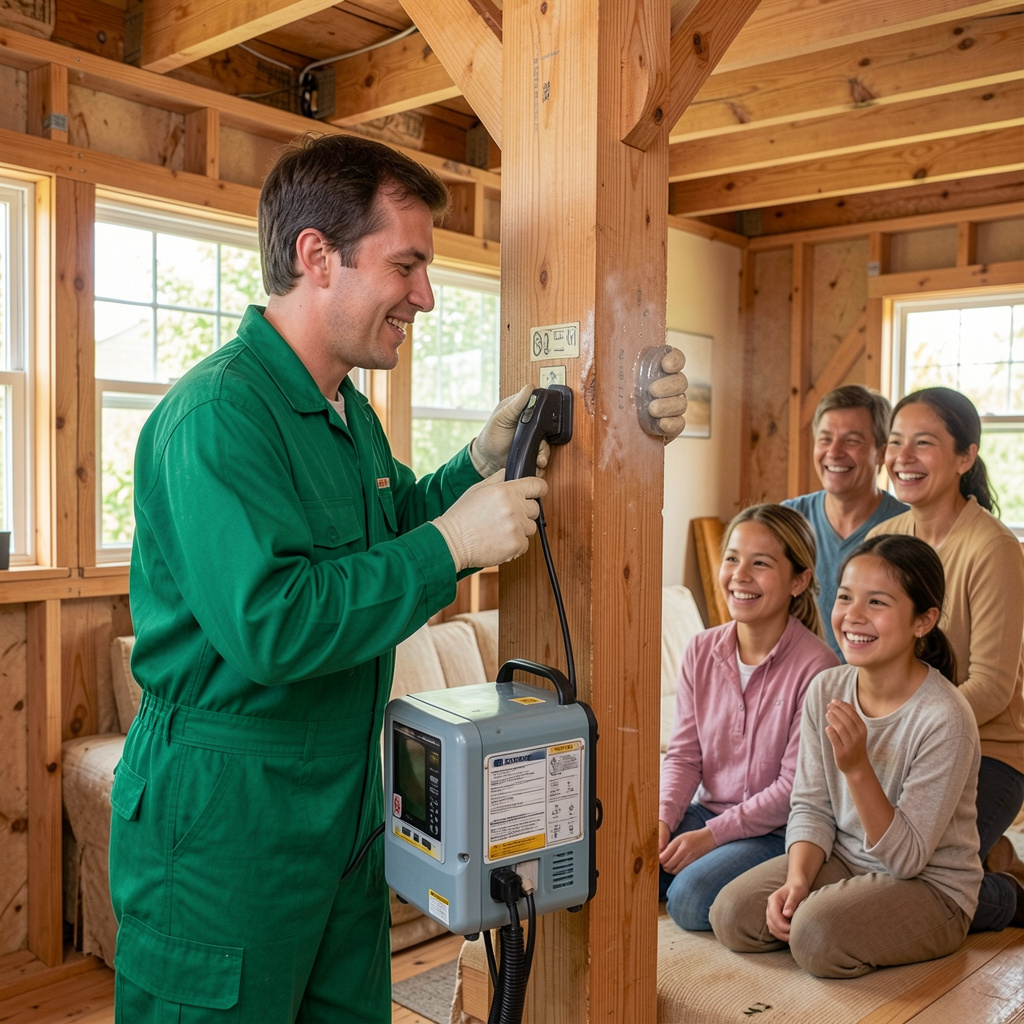
As more homeowners embrace organic living and environmentally responsible lifestyles, the demand for eco-friendly pest control has grown rapidly. People are no longer looking for solutions that simply eliminate pests—they want methods that also protect their families, preserve indoor air quality, and minimize environmental impact. Whether you’re maintaining a modern eco-home, a timber-framed cottage, or a sustainably built property, choosing the right pest control strategy is essential for long-term protection.
Traditional pest control methods continue to play an important role in many situations, especially when dealing with severe infestations. However, advances in technology and sustainable building practices have introduced effective alternatives that reduce reliance on synthetic pesticides. Solutions such as Integrated Pest Management (IPM), moisture control, routine inspections, and microwave woodworm treatment offer environmentally conscious ways to protect wooden homes without unnecessary chemical use.
In this guide, we’ll explore the best eco-friendly pest control methods for organic and sustainable homes, explain how they work, and discuss how you can keep your property pest-free while supporting a healthier environment.
What Is Eco-Friendly Pest Control?
Eco-friendly pest control is an approach to managing pests while minimizing risks to people, pets, beneficial wildlife, and the environment. Instead of relying solely on chemical pesticides, it combines prevention, monitoring, targeted treatments, and sustainable maintenance practices.Visit online https://www.shashel.eu for more details .
The main objectives are to:
- Prevent infestations before they occur.
- Reduce unnecessary pesticide use.
- Preserve building materials.
- Support long-term environmental sustainability.
- Maintain a healthy indoor living environment.
This approach is particularly well suited to homeowners who prioritize sustainable living.
Why Organic and Sustainable Homes Need Special Care
Many eco-friendly homes incorporate natural materials such as timber, bamboo, cork, and reclaimed wood. These materials offer excellent environmental benefits but also require proper maintenance to remain durable.
Common threats include:
- Woodworm (wood-boring beetles)
- Termites (in some regions)
- Carpenter ants
- Moisture-related fungal decay
- Mold caused by excessive humidity
Addressing these issues early helps preserve both the structure and the sustainability of the home.
1. Prevent Moisture Before It Attracts Pests
Moisture is one of the leading factors that encourage wood-damaging insects and fungal growth.
To keep timber healthy:
- Repair roof leaks promptly.
- Fix plumbing leaks quickly.
- Improve drainage around the property.
- Clean gutters regularly.
- Keep crawl spaces dry.
- Maintain indoor humidity at appropriate levels.
Dry timber is naturally less attractive to many wood-boring insects.
2. Improve Ventilation
Proper airflow reduces humidity and helps protect timber throughout the home.
Pay particular attention to:
- Roof spaces
- Basements
- Crawl spaces
- Utility rooms
- Storage areas
Good ventilation supports healthier timber and reduces the risk of moisture-related problems.
3. Schedule Regular Timber Inspections
Routine inspections are one of the most sustainable forms of pest prevention.
Check for:
- Small exit holes
- Powdery wood dust (frass)
- Soft timber
- Cracks
- Damp areas
- Signs of insect activity
Early detection often prevents extensive structural damage.
4. Microwave Woodworm Treatment
For localized woodworm infestations, microwave woodworm treatment offers a modern, chemical-free solution.
Professional equipment generates controlled heat inside timber using dielectric heating.
This process is designed to eliminate:
- Woodworm larvae
- Beetle eggs
- Pupae
- Adult wood-boring beetles
Benefits
- No synthetic pesticides
- No chemical residues
- Targeted treatment
- Environmentally responsible
- Suitable for heritage buildings
- Preserves original timber
For homeowners seeking a low-chemical approach, microwave technology can be an attractive option where appropriate.
5. Integrated Pest Management (IPM)
Integrated Pest Management is widely recognized as one of the most sustainable pest control strategies.
IPM combines:
- Routine inspections
- Monitoring pest activity
- Accurate pest identification
- Moisture management
- Physical exclusion
- Targeted treatments only when necessary
Rather than relying on routine pesticide applications, IPM focuses on preventing infestations and addressing their underlying causes.
6. Physical Exclusion
Preventing pests from entering your home reduces the need for treatment later.
Helpful measures include:
- Sealing cracks in exterior walls.
- Repairing damaged wooden siding.
- Installing door sweeps.
- Covering ventilation openings with suitable mesh.
- Closing gaps around utility pipes.
Small repairs can significantly reduce pest entry points.
7. Preserve Existing Timber
Replacing structural wood consumes natural resources and generates construction waste.
Whenever possible:
- Repair rather than replace.
- Address infestations early.
- Keep timber dry.
- Maintain protective finishes.
- Schedule periodic professional inspections.
Preserving original materials is often the most sustainable solution.
Eco-Friendly Pest Control vs. Traditional Chemical Treatment
| Feature | Eco-Friendly Pest Control | Traditional Chemical Treatment |
|---|---|---|
| Uses Synthetic Pesticides | Minimal or none | Often |
| Leaves Chemical Residues | No | May, depending on the product |
| Focus on Prevention | Strong | Varies |
| Environmental Impact | Lower | Moderate |
| Suitable for Sustainable Homes | Excellent | Depends on the treatment |
Both methods remain valuable, and the best choice depends on the pest, property, and professional assessment.
Benefits of Eco-Friendly Pest Control
Choosing sustainable pest management offers several advantages.
Supports Healthy Living
Reducing unnecessary chemical use aligns with many homeowners’ wellness and sustainability goals.
Protects the Environment
Targeted treatments help reduce overall environmental impact.
Preserves Valuable Timber
Early intervention helps maintain original wooden structures.
Reduces Long-Term Costs
Preventive maintenance often lowers repair expenses over time.
Encourages Responsible Property Care
Routine inspections and moisture management support the long-term health of the home.
Common Myths About Eco-Friendly Pest Control
Myth 1: Eco-Friendly Means Less Effective
Fact: Modern technologies such as microwave woodworm treatment and Integrated Pest Management can be highly effective when professionally applied.
Myth 2: Sustainable Homes Don’t Need Pest Control
Fact: Every wooden home can be vulnerable to pests. Sustainable construction still requires regular maintenance and inspections.
Myth 3: Natural Methods Solve Every Infestation
Fact: While preventive maintenance and chemical-free treatments work well in many situations, some infestations may still require approved chemical treatments depending on the pest species and severity.
Long-Term Maintenance Tips
To keep your sustainable home protected:
- Inspect timber every year.
- Maintain proper ventilation.
- Control indoor humidity.
- Repair leaks immediately.
- Monitor furniture for fresh frass.
- Keep gutters clean.
- Schedule professional inspections for older properties.
Consistent maintenance remains the foundation of sustainable pest control.
When Should You Contact a Professional?
Professional advice is recommended if:
- Fresh frass continues appearing.
- New exit holes develop.
- Structural timber is affected.
- Moisture problems persist.
- Valuable antique furniture is infested.
- You prefer environmentally responsible treatment options.
A qualified timber preservation specialist can inspect your property, identify the pest species, and recommend the most appropriate eco-friendly treatment strategy.
Conclusion
Eco-friendly pest control is becoming an essential part of maintaining organic and sustainable homes. By combining preventive maintenance, moisture control, Integrated Pest Management, physical exclusion, and innovative technologies such as microwave woodworm treatment, homeowners can protect their properties while reducing reliance on synthetic pesticides.
Although traditional chemical treatments continue to play an important role in certain situations, sustainable alternatives provide environmentally conscious homeowners with more choices than ever before. With regular inspections, responsible maintenance, and professional guidance, you can preserve your timber, protect your home, and contribute to a healthier environment for future generations.