
Protecting wood from pests such as woodworm, termites, beetles, and mold has traditionally involved chemical pesticides and wood preservatives. While these treatments can be effective, many homeowners today are becoming more concerned about indoor air quality, environmental impact, family safety, and long-term chemical exposure. As a result, more people are searching for eco-friendly alternatives to wood pesticides.
The good news is that modern wood protection has evolved significantly. Today, there are several safer and more sustainable methods that help protect timber without relying heavily on harsh chemicals. These solutions focus on prevention, moisture control, heat, technology, ventilation, and healthier living environments.
Eco-friendly wood protection is especially popular among homeowners who want to preserve furniture, flooring, roof beams, cabins, and structural timber while minimizing unnecessary chemical use.
Many homeowners researching modern timber care through shashel.eu/ are increasingly interested in greener wood protection methods because they support both long-term durability and healthier homes.
In this guide, we will explore the best eco-friendly alternatives to wood pesticides and explain how they work.
Why Homeowners Are Moving Away from Traditional Wood Pesticides
Traditional pesticides may help eliminate pests, but they also raise concerns for some homeowners.
Common Concerns Include
- Strong chemical odors
- Indoor air quality
- Surface residue
Families with:
- Children
- Pets
- Sensitive individuals
often prefer lower-chemical solutions.
Environmental awareness has also increased demand for greener alternatives.
Healthy homes matter.
Moisture Control: The First Line of Defense
One of the best eco-friendly alternatives is preventing the conditions pests need to survive.
Why Moisture Matters
Wood-boring pests often prefer timber that is:
- Damp
- Soft
Common Moisture Sources
Watch for:
- Roof leaks
- Plumbing leaks
- Condensation
Benefits of Moisture Control
Dry wood naturally discourages:
- Woodworm
- Termites
- Mold
Fixing leaks often reduces infestation risk naturally.
Many homeowners researching long-term timber care through shashel.eu understand that moisture prevention is one of the most effective ways to protect wood without pesticides.
Heat Treatment
Heat treatment has become a popular eco-friendly solution.
How Heat Treatment Works
Controlled temperatures raise heat levels to where pests cannot survive.
This may eliminate:
- Larvae
- Eggs
- Adult insects
Benefits Include
- No toxic chemicals
- Reduced residue
Heat treatment works especially well for:
- Woodworm
- Hidden wood pests
Safer treatment options continue growing in popularity.
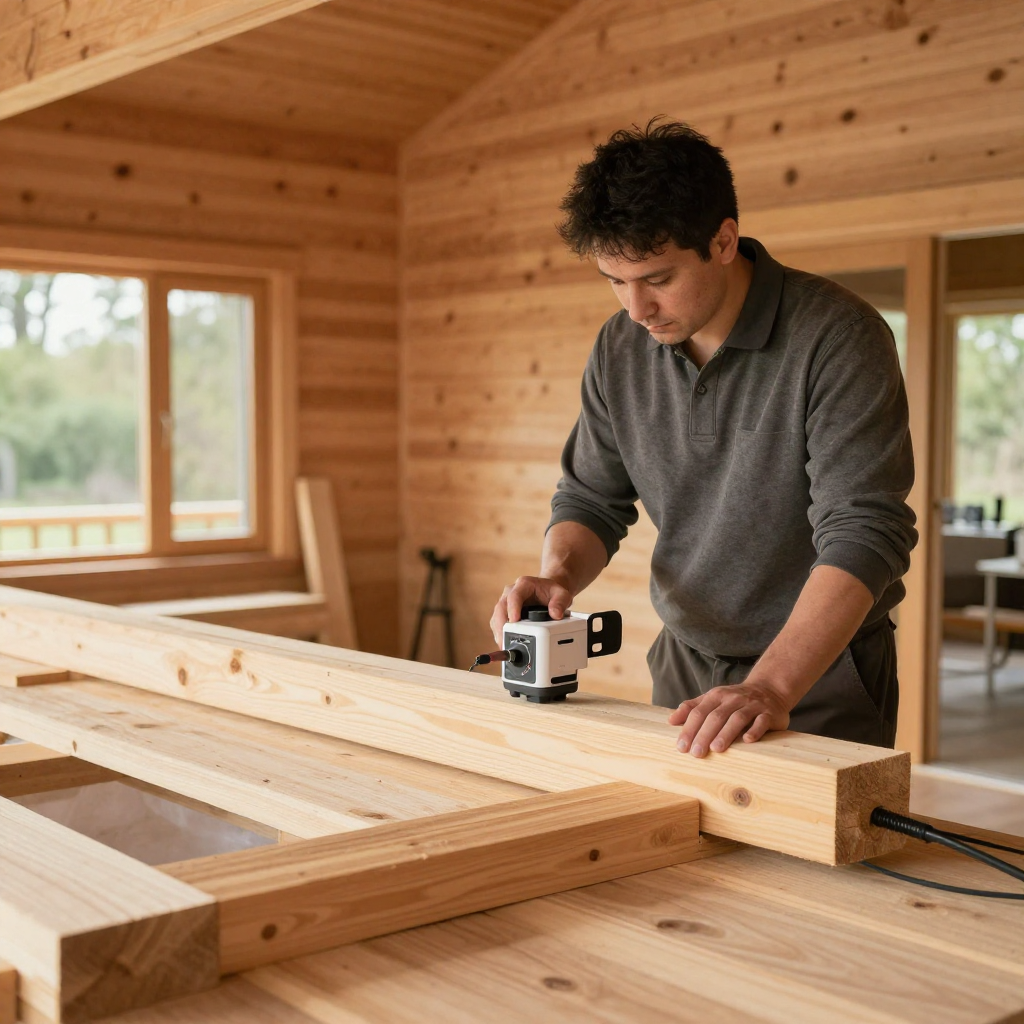
Microwave Technology for Timber Protection
Microwave treatment is one of the most advanced modern alternatives.
How Microwave Treatment Works
Microwave energy heats moisture inside wood and insects.
This destroys:
- Eggs
- Larvae
- Adult pests
Why Homeowners Like It
Microwave treatment offers:
- Chemical-free protection
- Deep penetration
It works especially well for:
- Roof beams
- Floorboards
- Structural timber
Hidden infestation often responds well to microwave treatment.
Better Ventilation
Poor airflow encourages humidity and pest activity.
Why Ventilation Matters
Healthy airflow helps:
- Reduce moisture
- Keep wood dry
High-Risk Areas Include
- Attics
- Crawl spaces
- Roof spaces
Better ventilation naturally reduces infestation risk.
Simple improvements help protect timber.
Natural Wood Oils and Protective Finishes
Some homeowners prefer gentler wood protection methods.
Benefits of Natural Finishes
Protective oils may help:
- Reduce moisture absorption
- Improve durability
Common Uses
Useful for:
- Furniture
- Decking
- Wooden flooring
Routine maintenance matters.
Healthy timber lasts longer.
Sealing Cracks and Openings
Wood-boring insects often lay eggs inside small openings.
Areas to Inspect
Check:
- Roof beams
- Window frames
- Furniture surfaces
Why Sealing Helps
Repairing cracks reduces:
- Pest access
Small maintenance efforts improve protection.
Regular Wood Inspection
Routine inspection is one of the best pesticide-free strategies.
Warning Signs to Watch For
Look for:
- Tiny holes
- Powdery dust
- Weak timber
Why Early Detection Matters
Small infestations are easier to manage.
Early action prevents spreading.
Routine maintenance saves money.
Improve Storage Conditions
Poor storage increases pest risk.
Best Conditions for Wood Storage
Keep wood:
- Dry
- Elevated
- Well ventilated
Avoid:
- Damp garages
- Humid basements
Healthy storage discourages pests naturally.
Outdoor Wood Protection Without Harsh Chemicals
Outdoor timber faces extra environmental stress.
Protect Outdoor Structures
Maintain:
- Fences
- Pergolas
- Decking
Helpful Eco-Friendly Methods
Use:
- Weather-resistant coatings
Routine maintenance reduces future damage.
Outdoor wood lasts longer with care.
Integrated Pest Management (IPM)
Modern pest control increasingly follows a system called Integrated Pest Management.
What Is IPM?
IPM combines:
- Prevention
- Monitoring
- Targeted treatment
Instead of depending only on pesticides:
It focuses on solving the root cause
This reduces chemical dependence.
Smarter prevention improves results.
Benefits of Eco-Friendly Wood Protection
Eco-friendly methods offer several advantages.
Key Benefits Include
- Reduced chemical exposure
- Better indoor comfort
- Improved air quality
- Sustainable wood protection
Healthy homes support healthier living.
Long-term prevention saves money.
When Limited Chemical Treatment May Still Help
Severe infestations sometimes require stronger solutions.
Examples Include
- Large termite infestation
- Advanced structural damage
Professional advice helps determine the safest option.
Balanced treatment often works best.
Common Misconceptions About Eco-Friendly Alternatives
Myth 1: Chemical-Free Means Weak
Modern methods can be highly effective.
Myth 2: Every Pest Problem Needs Pesticides
Many infestations respond well to prevention.
Myth 3: Eco-Friendly Methods Are Too Expensive
Preventive care often reduces long-term repair costs.
Understanding options improves decisions.
Long-Term Prevention Tips
Keep Timber Dry
Dry wood discourages pests.
Improve Ventilation
Healthy airflow matters.
Inspect Wood Regularly
Small warning signs deserve attention.
Fix Leaks Quickly
Moisture increases infestation risk.
Consistency protects timber.
Conclusion
Eco-friendly alternatives to wood pesticides are becoming increasingly popular because they offer safer, healthier, and more sustainable ways to protect timber. Moisture control, heat treatment, microwave technology, ventilation, natural protective finishes, and regular inspections all help reduce the need for harsh chemicals while preserving wood effectively.
These methods not only help protect furniture, flooring, roof beams, and structural timber but also support healthier indoor environments for families and pets.